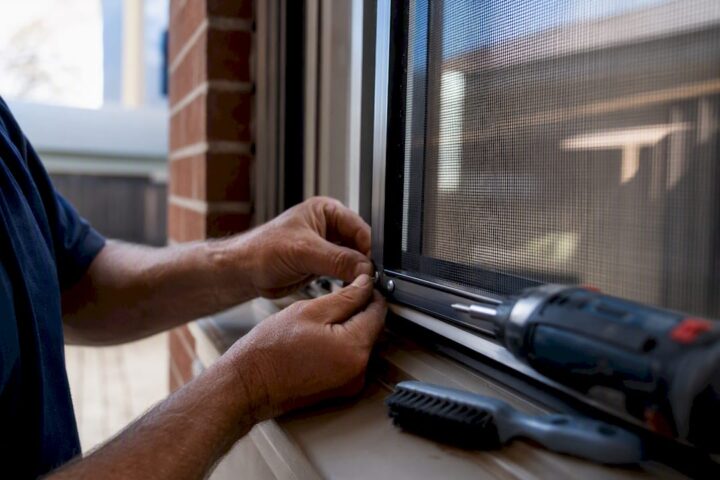
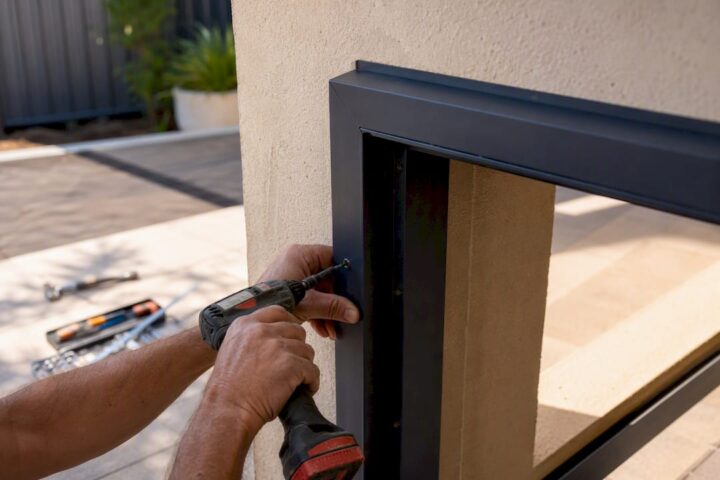
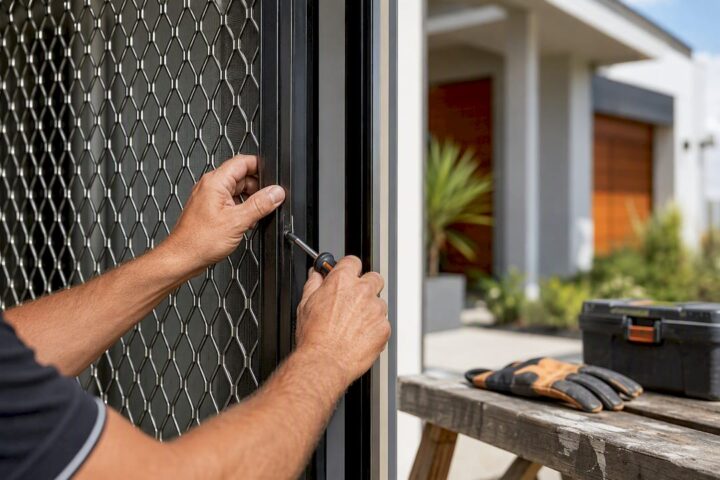
Cyclone-rated roller shutters are one of the most reliable ways to protect your home’s windows and doors from windborne debris and storm-force pressure. When specified to AS/NZS 1170.2 wind action requirements and installed by a certified professional, they can be the difference between intact glazing and a catastrophic breach during a severe weather event.
Before the next storm season, take these four steps:
- Confirm your local cyclone risk zone using the Bureau of Meteorology’s wind region map.
- Check any product data sheet for an explicit AS/NZS 1170.2 design pressure rating.
- Ask for third-party test reports, including any references to James Cook University testing programmes.
- Book a site inspection and certified quote from a local installer before the wet season begins.
If you are in a high-risk coastal or tropical region and your windows are currently unprotected, the practical next step is to contact a qualified supplier for a measure-and-quote. Easterndoors offers exactly that service across Australia.
Key takeaways
Cyclone-rated roller shutters, specified to AS/NZS 1170.2 and installed by a certified professional, are the most reliable way to protect residential glazing from windborne debris and storm-force pressure in Australian cyclone-prone regions.
| Point | Details |
|---|---|
| Cyclone rating requires documentation | Ask for a product data sheet showing design pressure in Pascals and the AS/NZS 1170.2 wind region the rating applies to. |
| Third-party testing adds credibility | Supplier references to James Cook University testing should be backed by the specific test report, tested configuration, and test date. |
| Certified installation is non-negotiable | Anchor type, embed depth, and spacing must match the substrate and wind zone; engineer sign-off may be required for large openings. |
| Manual override is essential | Motorised systems must include a manual override or solar backup, as power outages commonly accompany severe storm events. |
| Easterndoors for a certified quote | Easterndoors provides site measure, specification, certified installation, and aftercare for storm-rated roller shutters across Australia. |
Table of Contents
- What roller shutters for storm protection actually are
- Australian standards and third-party testing: what they mean for you
- How cyclone-rated shutters physically protect your home
- Slat profiles, curtain construction and product variants
- Why certified installation is not optional
- Size limits, wind speed ratings and how to read a product datasheet
- What cyclone-rated roller shutters cost in Australia
- Maintenance, warranty and what to do after a storm
- How to choose a qualified installer: questions to ask
- Why Easterndoors is a practical choice for storm-rated shutters
- A practical recommendation for homeowners
- Easterndoors: custom storm-rated shutters, measured and installed
- Sources
What roller shutters for storm protection actually are
Not every roller shutter on the market qualifies as a cyclone-rated or storm protection system. A standard security shutter is designed primarily to resist forced entry; a cyclone-rated system is engineered to withstand sustained high winds, rapid pressure fluctuations, and the impact of windborne debris travelling at speed.
The physical differences are significant. Cyclone-rated shutters use heavier-gauge extruded aluminium slats, interlocking or end-retention curtain designs, reinforced guide channels, and engineer-specified anchors. The guides are not simply screwed to a timber frame; they are bolted through to structural elements with fixings matched to the substrate and the design wind speed for that site.
The core homeowner benefits include:
- Debris impact resistance: The curtain absorbs and distributes the kinetic energy of windborne objects, protecting glazing from fragmentation.
- Wind load resistance: Interlocking slats spread pressure loads across the full curtain width and transfer them to the guides and anchors rather than concentrating stress at a single point.
- Water ingress reduction: A properly sealed installation significantly reduces wind-driven rain penetrating around window and door frames.
- Security: A closed cyclone-rated shutter is a substantial physical barrier against opportunistic entry during and after a storm.
- Thermal and acoustic performance: Thicker, foam-filled slats add meaningful insulation value. For more on this, see the roller shutters insulation guide from Easterndoors.
The scope distinction matters: if you live in a cyclone-designated wind region (Regions C or D under AS/NZS 1170.2), a general security shutter is unlikely to meet the design pressures your home faces. A purpose-built cyclone-rated system is not optional in those areas — it is the appropriate specification.
Pro Tip: Ask your supplier to confirm in writing which AS/NZS 1170.2 wind region their product is rated for. A shutter rated for Region B will not necessarily perform adequately in Region C or D.
Australian standards and third-party testing: what they mean for you
The governing standard for wind actions on structures in Australia is AS/NZS 1170.2, which divides the country into wind regions from A (low) through to D (severe tropical cyclone). Products specified for cyclone-prone areas must demonstrate compliance with the design pressures that standard assigns to the relevant region and terrain category.
When a supplier claims their shutter is “cyclone rated,” that phrase should be backed by documented evidence, not marketing copy. The most credible form of evidence is a third-party test report from an accredited laboratory or a recognised university testing programme. James Cook University is widely cited by suppliers and testing programmes as an independent authority for impact and wind performance validation in cyclone-prone regions. When a supplier references JCU testing, ask for the specific test protocol, the test date, and the exact product configuration that was tested — a test conducted on a 1,200mm-wide panel does not automatically validate a 3,000mm-wide installation.
High-performance shutters can be tested to very high static pressure levels. Industrial-grade systems, for example, have been tested to pressures up to 4,000 Pa with reinforcements including wind locks and restraining plates. Residential cyclone-rated systems typically target lower but still demanding pressure thresholds appropriate to their wind region.
Request these documents from every supplier before signing a contract:
- Product data sheet showing design pressure (in Pascals) and the AS/NZS 1170.2 wind region the rating applies to.
- Third-party test report with the testing body named, the test date, and the tested configuration (slat type, curtain width, anchor spacing).
- Certification or compliance statement from the manufacturer.
- Installer’s licence or certification details.
Statistic to know: AS/NZS 1170.2 Region D, covering parts of the Pilbara coast in Western Australia, carries the highest design wind speeds in the country. Products rated only to Region B or C are not compliant for Region D installations.
How cyclone-rated shutters physically protect your home
The protection mechanism works on two levels: impact absorption and load distribution. When a windborne object strikes a closed cyclone-rated curtain, the interlocking slat profile spreads the impact force laterally across adjacent slats rather than concentrating it at the point of contact. That distributed load then transfers along the curtain to the guide channels and, from there, to the structural anchors. A correctly specified anchor system carries that load into the building’s frame without pulling free.
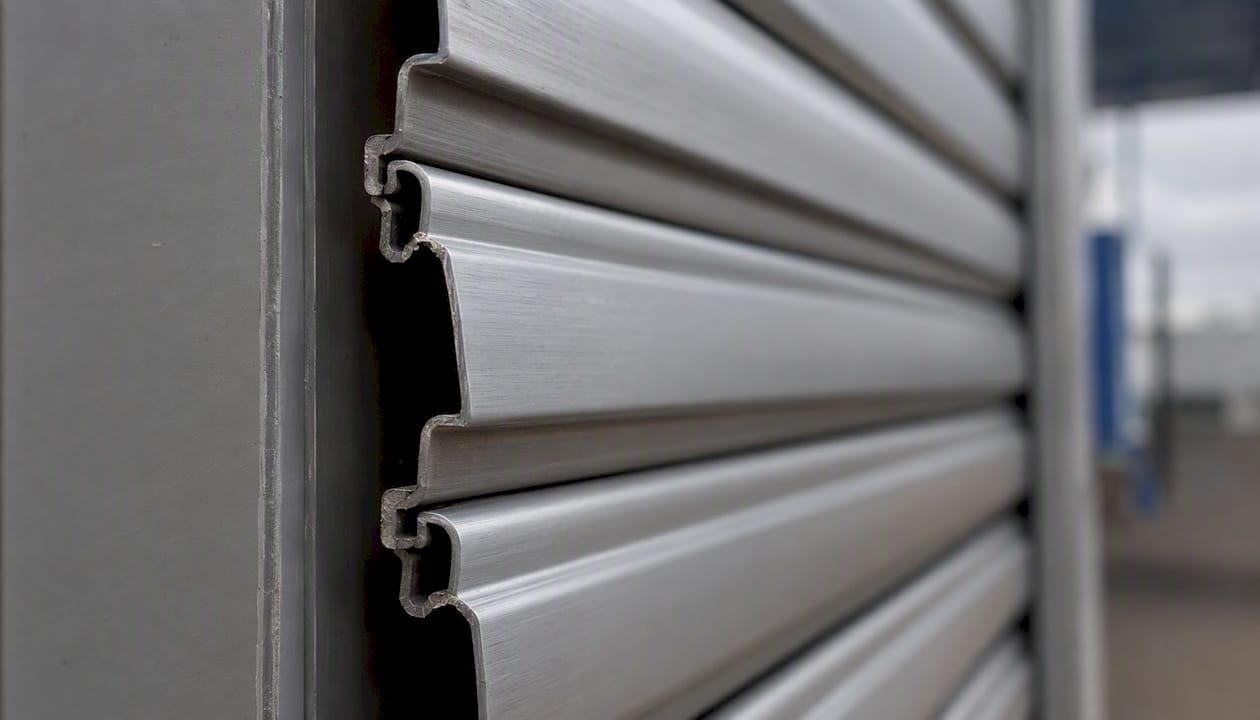
Under sustained high wind, the curtain faces both positive pressure (wind pushing inward) and negative pressure (suction pulling outward). End-retention systems, where the slat ends are captured inside the guide channel rather than simply resting against it, are specifically designed to resist the outward suction that can otherwise cause the curtain to release from its guides. Manufacturers of 55mm end-retention systems present this design as a compact, heavy-duty solution that increases wind-load capacity and impact resistance compared with older storm-bar approaches.
The failure modes that a correctly installed cyclone-rated shutter prevents are well understood:
- Glass fragmentation: A single debris strike on unprotected glazing can pressurise the interior of a building, dramatically increasing the risk of roof lift.
- Curtain release: An unrestrained curtain can be sucked out of its guides under negative pressure, becoming a projectile itself.
- Track failure: Undersized or poorly anchored guide channels can pull away from the wall, taking the curtain with them.
- Hood and box damage: The top box housing the rolled curtain must also be structurally fixed; a detached hood exposes the curtain and the opening.
Why glazing protection matters so much: Once a window or door fails during a cyclone, internal pressure rises rapidly. That pressure increase is a primary driver of roof failure — which is why maintaining the building envelope is the central goal of storm protection design.
Slat profiles, curtain construction and product variants
The slat is the fundamental building block of a roller shutter curtain, and its profile determines stiffness, weight, insulation value, and impact resistance. Three main types appear in the Australian market.
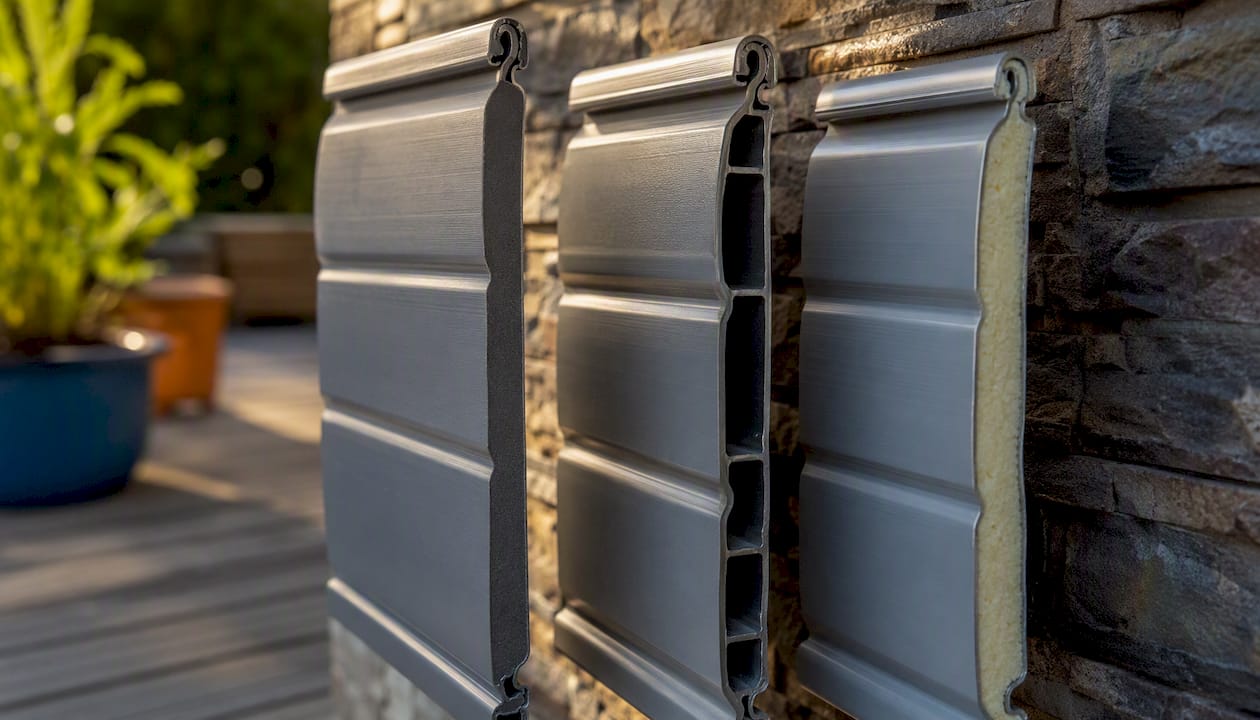
Extruded aluminium slats are formed by pushing aluminium through a die to create a precise, consistent cross-section. Extruded profiles are stiffer than roll-formed alternatives of the same wall thickness, which is why they are the standard choice for cyclone-rated systems. Wall thickness and alloy grade both affect stiffness; a thicker wall in a harder alloy resists bending under pressure more effectively.
Double-wall slats have two aluminium skins separated by a cavity. The cavity adds stiffness without proportionally increasing weight, and it also provides some thermal resistance. These are common in mid-range storm protection products.
Foam-filled slats take the double-wall concept further by injecting polyurethane foam into the cavity. The foam bonds the two skins together, significantly increasing the slat’s resistance to buckling under impact and improving thermal performance. For homeowners where insulation is a priority alongside storm protection, foam-filled slats are worth the additional cost.
End-retention vs storm bars: Older systems used horizontal storm bars inserted through the curtain to resist outward deflection. Modern end-retention designs capture the slat ends inside a deeper guide channel, achieving the same resistance without the bars. End-retention is generally preferred for new installations because it is cleaner, requires no manual bar insertion, and performs consistently across the full curtain height.
Motorisation options:
- Standard AC motors with wall switch control.
- Smart motorisation with app and scheduling control, which allows remote closure before a storm arrives.
- Solar-powered motors, which continue to operate when grid power fails.
- Manual override mechanisms, which are non-negotiable in storm-prone areas. Somfy Systems advises that a manual override or backup power source is essential because power outages frequently accompany severe weather events. The 2016 South Australian blackout is a well-documented example of how quickly grid power can disappear during a major storm.
Why certified installation is not optional
The best-specified shutter curtain will fail if the installation is inadequate. Anchor type, embed depth, and spacing must be matched to the substrate (masonry, timber frame, or steel) and the design wind pressure for the site. For large openings or high wind zone installations, a civil or structural engineer may need to specify the anchor arrangement. James Cook University testing programmes have consistently shown that anchor failure, not curtain failure, is the most common weak point in shutter systems subjected to extreme loads.
Critical installation elements to specify and verify:
- Anchor type and spacing: Chemical anchors in masonry, structural screws in timber framing, or through-bolts for steel substrates — each has a minimum embed depth and spacing requirement tied to the design pressure.
- Guide channel reinforcement: Channels must be deep enough to retain the slat ends under outward suction and stiff enough not to deflect under lateral load.
- End-retention locking: The mechanism that locks slat ends inside the guide must engage positively and be inspected after installation.
- Sill and sub-frame sealing: Gaps at the sill allow wind-driven rain to enter; proper sealing is part of a complete installation.
- Hood and top-box fixing: The housing must be independently anchored to the structure, not just to the shutter frame.
A note on DIY installation: Cyclone-rated roller shutters are not a DIY product. The anchor specifications, guide reinforcement details, and end-retention settings require tools, training, and in some cases engineering sign-off that a homeowner cannot replicate without formal qualifications. An incorrectly installed cyclone-rated shutter may look identical to a correctly installed one — until the storm arrives.
Pro Tip: Ask your installer for a copy of the anchor specification used on your job. If they cannot produce one, or if they are vague about anchor type and embed depth, treat that as a serious red flag.
Size limits, wind speed ratings and how to read a product datasheet
Cyclone-rated roller shutter performance is not uniform across all opening sizes. A curtain tested at 1,500mm wide will typically carry a higher design pressure rating than the same curtain at 3,000mm wide, because wider curtains deflect more under load and transfer higher forces to the guides and anchors. Always confirm that the rating on the data sheet applies to the actual opening size you are specifying.
The key specifications to locate on any product data sheet are listed below.
| Specification | What to look for |
|---|---|
| Design pressure (Pa) | Positive and negative values; must meet or exceed AS/NZS 1170.2 requirement for your wind region |
| Maximum curtain width | Confirm the tested width matches or exceeds your opening |
| Maximum curtain height | Same principle — larger heights increase deflection and load |
| Slat profile and wall thickness | Extruded preferred; confirm gauge in millimetres |
| End-retention or storm bar | End-retention preferred for new installations |
| Motor type and rating | IP rating for weather resistance; manual override confirmed |
| Anchor specification | Type, embed depth, and spacing for the tested configuration |
How to interpret what you find:
- Match the design pressure to your AS/NZS 1170.2 wind region and terrain category — your installer or a structural engineer can confirm the required value for your site.
- Check that the tested curtain width is equal to or greater than your opening. If the data sheet shows a smaller tested width, ask the manufacturer for supplementary engineering for your size.
- Confirm the slat profile is extruded aluminium, not roll-formed, for cyclone-rated applications.
- Verify the motor’s IP rating is suitable for an exterior installation in a coastal or tropical environment (IP44 minimum; IP55 or higher preferred for exposed locations).
- Ask whether the anchor specification on the data sheet matches the substrate at your property. A specification developed for masonry does not automatically transfer to a timber-framed wall.
What cyclone-rated roller shutters cost in Australia
Price varies considerably depending on material specification, opening size, motorisation, site complexity, and the engineering requirements of your wind zone. The figures below are indicative guide ranges for supply and installation of roller shutters with storm protection capability in Australia; they are not fixed quotes and will vary by state, supplier, and site conditions. For a detailed breakdown, the Easterndoors roller shutter cost guide covers Australian pricing in depth.
The main cost drivers are:
- Slat type: Extruded aluminium costs more than roll-formed but is the correct specification for cyclone-rated systems.
- Motorisation: A quality AC motor adds cost; solar or smart motors add more. The investment is justified in storm-prone areas where rapid closure matters.
- Opening size: Larger curtains require heavier components and more complex anchor arrangements.
- Engineering: If your opening size or wind zone requires a structural engineer’s anchor specification, that fee adds to the project cost.
- Colour and finish: Powder-coated finishes in non-standard colours carry a premium; corrosion-resistant coatings are worth the cost in coastal environments.
Pro Tip: When comparing quotes, insist that every quote specifies the same slat profile, anchor type, motor brand and model, warranty terms, and installation scope. A quote that omits anchor details or motor specifications is not comparable to one that includes them — the missing items are often where costs are cut.
Maintenance, warranty and what to do after a storm
A cyclone-rated roller shutter is a mechanical system, and like any mechanical system it needs periodic attention to stay reliable. Neglecting maintenance is the most common reason shutters fail to perform when they are needed most.
Practical maintenance schedule:
- Every three months: Operate the shutter through a full open-close cycle. Listen for unusual noise, check that the curtain travels smoothly in the guides, and inspect the guide channels for debris or corrosion.
- Every six months: Clean the guide channels with a damp cloth, apply a silicone-based lubricant to the guide channel lips (never oil-based, which attracts grit), and inspect the hood for signs of water ingress or structural movement.
- Annually: Have a qualified technician inspect the motor, end-retention mechanism, anchor fixings, and seals. Test the manual override to confirm it operates correctly.
Warranty structures typically split across three components. The curtain and hardware carry a manufacturer’s product warranty, commonly five to ten years for quality systems. The motor or drive unit carries a separate warranty; Somfy Systems, for example, offers multi-year motor warranties on some product lines, and it is worth checking whether the motor warranty is transferable if you plan to sell the property within that period. Installation workmanship is covered by the installer’s own warranty, typically one to two years, though reputable installers often offer longer periods.
After a storm, carry out these checks before operating the shutter:
Visually inspect the guide channels and hood for impact damage or distortion. Check that the curtain is fully seated in the guides before attempting to raise it. If you see bent slats, displaced guide channels, or anchor fixings that appear to have moved, do not operate the shutter — contact your installer for an inspection before use.
How to choose a qualified installer: questions to ask
Choosing the right supplier and installer is as important as choosing the right product. A correctly specified shutter installed by an unqualified tradesperson is a liability; a well-installed shutter from a supplier who understands AS/NZS 1170.2 is a genuine asset.
Questions to ask every supplier:
- Can you provide a product data sheet showing the design pressure rating and the AS/NZS 1170.2 wind region it applies to?
- Do you have third-party test reports, and can you confirm the tested curtain width matches my opening?
- Have your products been tested or validated through a programme such as James Cook University testing?
- What anchor type and specification will you use for my substrate and wind zone?
- For large openings or high wind zones, will you provide engineering sign-off on the anchor arrangement?
- What motor brand and model do you supply, and what is the warranty period and coverage?
- Does the motor system include a manual override or solar backup option?
- What does your installation warranty cover, and for how long?
- Can you provide references from installations in a similar wind region?
- What is included in your after-sales service and maintenance offering?
Red flags to watch for:
- No test reports available, or vague references to “compliance” without documentation.
- Specifications that omit anchor type, embed depth, or guide channel dimensions.
- No mention of engineering involvement for large openings or high wind zones.
- Quotes significantly lower than others without a clear explanation of what has been omitted.
- Pressure to sign quickly without time to review documentation.
When comparing quotes, confirm that every quote covers the same slat profile, anchor specification, motor brand, warranty terms, and installation scope. A quote that is $400 cheaper because it uses a lighter slat profile or omits engineer sign-off is not a saving — it is a specification reduction. For a broader comparison of window and door protection options, the Replacement Windows in Dodge County, WI | AM Exteriors guide offers useful insights on storm window options to consider alongside roller shutters.
Why Easterndoors is a practical choice for storm-rated shutters
Easterndoors supplies and installs custom-made roller shutters for residential properties across Australia, with a service model built around site measurement, specification, manufacture, and certified installation. The process starts with a detailed site measure and consultation, where the opening dimensions, substrate type, wind zone, and homeowner preferences are all recorded before a specification is prepared.
For cyclone-rated installations, Easterndoors works through the anchor specification requirements for the site’s wind region and, where the opening size or design pressure demands it, coordinates engineering sign-off before manufacture begins. That sequence matters: a shutter manufactured to the wrong specification cannot be corrected after installation.
What sets a local, experienced supplier apart: Easterndoors carries product knowledge specific to Australian conditions, understands the AS/NZS 1170.2 wind region requirements that apply to different parts of the country, and provides ongoing service and repair for installed systems. Homeowners get a single point of contact from measure through to aftercare — not a supply-only arrangement that leaves installation to a third party.
The product range covers motorised and manual systems, with options for standard AC motors, smart motorisation, and solar-powered drives for properties where power continuity during storms is a priority. Colour finishing and powder-coat options are available to match existing exterior aesthetics.
Pro Tip: Book your measure-and-quote before the storm season begins. Lead times for custom manufacture mean that leaving it until a weather warning is issued is too late. A site inspection now gives you time to specify correctly, manufacture, and install before conditions deteriorate.
A practical recommendation for homeowners
Cyclone-rated roller shutters are strongly recommended for any home in AS/NZS 1170.2 wind Regions C or D, for exposed coastal properties in Region B, and for any property where large glazed openings represent a significant vulnerability. In those circumstances, the cost of a correctly specified and installed system is modest compared with the cost of glazing replacement, internal water damage, and the risk of structural failure following a building envelope breach.
For homes in lower wind regions with smaller openings and no direct coastal exposure, a quality security shutter may provide adequate protection for most storm events, though it will not meet the same design pressures as a purpose-built cyclone-rated system. The honest answer is that the right specification depends on your site, your wind region, and the size of your openings — which is exactly why a site inspection from a qualified supplier is the correct first step, not a product selected from a brochure.
The next practical step is straightforward: contact Easterndoors for a site inspection and certified quote tailored to your property and wind zone.
Easterndoors: custom storm-rated shutters, measured and installed
Choosing the right storm protection for your home starts with a proper site assessment, not a catalogue selection. Easterndoors offers a complete service from initial measure through to certified installation and ongoing maintenance, with product specifications matched to your property’s AS/NZS 1170.2 wind region.
The typical project flow is straightforward: a technician visits your property, measures each opening, confirms the substrate and wind zone requirements, and prepares a written specification. Where engineering sign-off is required for large openings or high design pressures, that is coordinated before manufacture begins. Once the shutters are manufactured to the confirmed specification, a certified installer completes the job and walks you through operation, manual override, and maintenance requirements.
Motorisation options include standard AC drives, smart controls with remote app access, and solar-powered motors for storm-season peace of mind. Every installation comes with a clear warranty covering the product, motor, and installation workmanship.
View the full Easterndoors product range or contact the team directly to book a measure-and-quote for your property.
Sources
The sources below are the primary references for the technical claims in this article. When comparing suppliers, use these documents to verify compliance claims independently.
- Jcu
- Efficientwindowcoverings
- Roll Shutters – 55mm Rhino Series™ | Hurricane & Security
- Typhoon Storm Shutters | Wind-Resistant Security Shutters | Hart Doors