What does a security door cost in Australia?
Security screen doors in Australia cover a broad range of prices for supply and professional installation, depending on door type, material, and configuration. That range covers the most common residential options you’ll encounter when getting quotes in 2026.
Here’s how typical security door prices can vary by product type, reflecting differences in material quality, construction, and installation complexity.
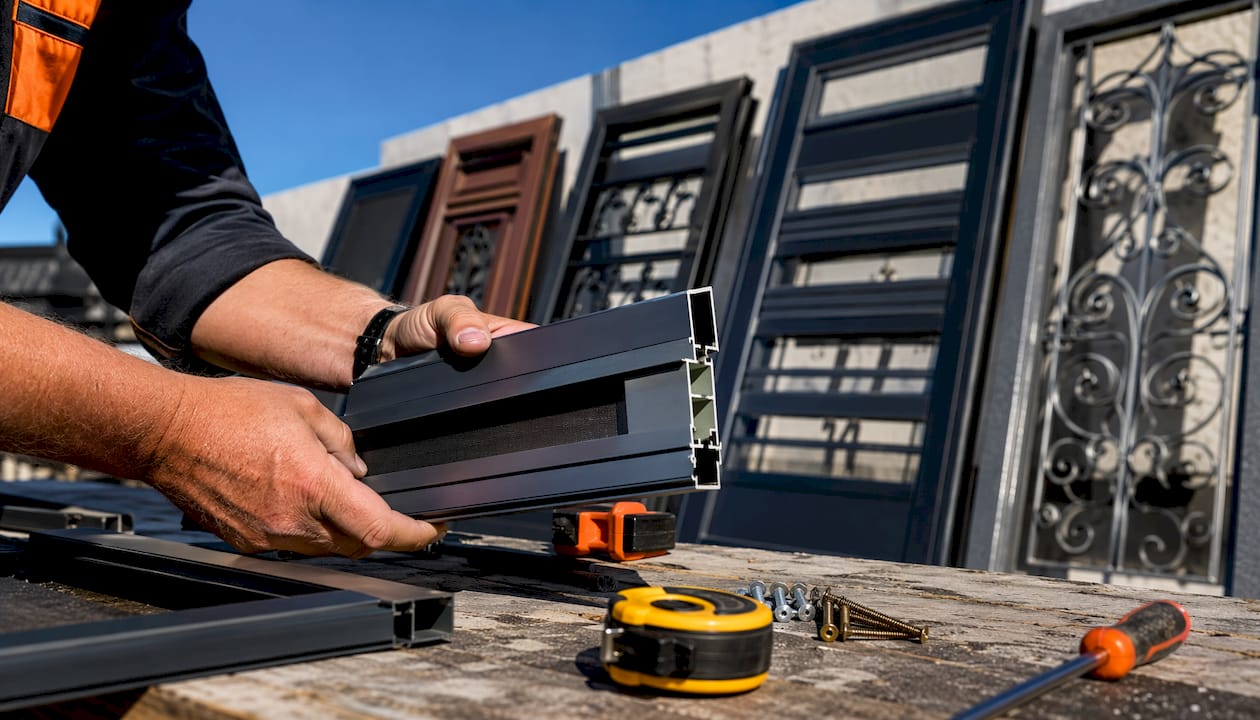
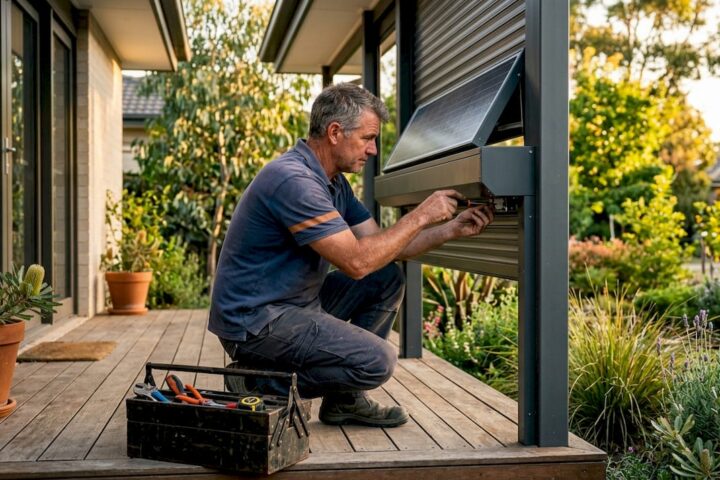
Professional installation is included in these figures. Separating supply from installation might look cheaper on paper, but a door fitted incorrectly loses much of its security value. Frame alignment, hinge reinforcement, and lock alignment all affect how a door performs under pressure, and those details require a trained installer.
For most Australian homeowners, a quality single hinged security screen door with professional fitting is usually affordable within a moderate price range. Sliding doors and premium mesh options tend to be more expensive, reflecting enhanced security features.
Table of Contents
- What factors drive security door prices up or down?
- What materials and door types are available in Australia?
- Why does AS 5039.1:2026 compliance matter for your purchase?
- How does custom sizing affect what you pay?
- What does professional security door installation cost?
- Why Easterndoors is a trusted choice for Melbourne homeowners
- Key takeaways
- Get a custom security door quote from Easterndoors
What factors drive security door prices up or down?
The gap between a $600 door and a $2,500 door is not arbitrary. Several specific variables account for the difference, and understanding them helps you evaluate quotes with confidence.
- Material and security grade: High-tensile stainless steel mesh costs more to manufacture than aluminium diamond grille, and that difference flows directly into the price. The mesh grade also determines how the door performs against forced entry.
- Door size: Standard module dimensions keep fabrication costs predictable. Doors outside those dimensions require custom frames and additional material, which adds to the total.
- Locking systems: Upgraded locking mechanisms such as multi-point locking systems, smart locks, and reinforced strike plates add to the final cost. A single-point latch is typically sufficient for a screen door, while front entry doors often require more robust locks.
- Hardware finishes: Powder-coated frames in standard colours are priced into most quotes. Custom colours and decorative hardware upgrades add to the cost.
- Installation complexity: A straightforward single hinged door on a standard frame is the simplest installation scenario. Sliding doors, double doors, or frames that need repair or reinforcement before fitting all increase labour time.
- Brand and warranty: Products certified to Australian Standards and backed by manufacturer warranties carry a price premium that reflects genuine quality assurance, not just marketing.
Pro Tip: When comparing quotes, ask each supplier whether the price includes frame preparation and lock alignment. A lower headline price that excludes these can end up costing more once the extras are added.
Location also plays a role. Labour rates vary across metropolitan and regional areas, and access constraints on some properties add time to any installation job.
What materials and door types are available in Australia?
The Australian security door market offers a wider range of materials than most homeowners realise. Each has a different cost profile, maintenance requirement, and security performance.
Diamond grille
The most affordable option, diamond grille doors use a welded aluminium or steel grid pattern. They provide a physical barrier and good visibility, but the open grid pattern offers less resistance to cutting than woven mesh. Cost: $600–$1,200 installed.
Stainless steel mesh
Woven from high-tensile stainless steel wire, these doors resist cutting, pulling, and impact far more effectively than grille. The mesh is typically set into an aluminium frame with a perimeter clamp system. This is the most popular mid-to-premium choice for Australian homeowners. Cost: $900–$1,800 installed.
Crimsafe
Crimsafe is a proprietary stainless steel mesh system that uses a screw-clamp retention system to hold the mesh within the frame. It is one of the most recognised security screen brands in Australia and is tested to AS 5039 standards. Cost: $1,100–$2,000 installed.
Aluminium security doors
Powder-coated aluminium frames are lightweight, corrosion-resistant, and well-suited to coastal environments. They are commonly used for both hinged and sliding configurations. Cost varies depending on mesh type and configuration.
Steel security doors
Solid steel doors offer the highest level of physical resistance and are often chosen for front entries where maximum security is the priority. They are heavier than aluminium alternatives and require robust hinges and frames. Easterndoors’ steel security door range covers both standard and custom configurations for Melbourne homeowners.
Wrought iron and timber
Wrought iron doors are decorative as much as functional, with custom fabrication costs reflecting the labour involved. Timber and fibreglass doors are less common in the Australian security door market and are generally not recommended where forced-entry resistance is the primary concern.
Pairing a quality security door with permanent perimeter lighting adds another layer of deterrence that costs relatively little compared to the door itself.
Why does AS 5039.1:2026 compliance matter for your purchase?
AS 5039.1:2023 is the Australian Standard that sets performance requirements for security door and window screens. It covers hinged, sliding, folding, removable, and fixed screens used across Class 1 to Class 10 buildings, with a primary focus on resistance to forced entry.
Compliance with AS 5039.1:2023 is the clearest signal that a security door has been independently tested to resist forced entry, not just marketed as secure. The National Security Screen Association describes certification as a key value driver, representing tested performance rather than a branding exercise.
For homeowners, this matters in two practical ways. First, a compliant door has passed standardised tests for knife shear, impact, and jemmy resistance, giving you a reliable basis for comparing products. Second, some home insurers recognise AS 5039 compliance when assessing security upgrades, which can influence policy terms.
Compliant products do cost more than non-certified alternatives. That premium reflects the testing, materials, and manufacturing processes required to meet the standard. Choosing a non-compliant door to save money upfront is a false economy if the door fails to perform when it matters.
When requesting quotes, ask suppliers to confirm which specific products carry AS 5039 certification. A reputable installer will provide this information without hesitation.
How does custom sizing affect what you pay?
Standard security doors are manufactured to fit common Australian door module sizes. When your opening falls outside those dimensions, which is common in older homes, the door needs to be custom fabricated. Custom sizing usually adds an additional premium per door to the base cost due to increased material and fabrication requirements.
Several factors drive that premium:
- Non-standard frame dimensions require tailored extrusions and additional cutting, increasing both material use and fabrication time
- Arched or shaped openings add complexity to frame construction and mesh fitting
- Wider doors use more mesh and heavier frame profiles, pushing material costs up
- Design customisation such as decorative inserts, custom powder-coat colours, or upgraded hardware all add to the final figure
The most cost-effective approach is to have a professional measure your openings before you commit to any product. Incorrect measurements that require rework after fabrication are expensive, and they delay installation. A supplier who offers a free measure and quote is removing a genuine risk from the process.
Pro Tip: If your home was built before the 1980s, assume your door openings are non-standard. Have them measured by your installer before accepting any quote based on standard dimensions.
Custom fabrication is not a reason to avoid a tailored solution. It simply means the price needs to reflect the actual work involved, and your quote should itemise it clearly.
What does professional security door installation cost?
Supply is only part of the total expenditure. Installation labour costs vary significantly per door, depending on installation complexity, site access, and any necessary preparatory work for the frame.
The components that typically make up the installation cost include:
- Standard labour: Fitting a single hinged door on a prepared frame is the baseline. Most straightforward installations fall in the lower part of the labour range.
- Frame reinforcement: If the existing frame is damaged, corroded, or structurally inadequate, it needs repair or replacement before the new door can be fitted. This adds both materials and time.
- Old door removal and disposal: Removing an existing door and disposing of it is often charged separately, particularly for heavier steel or wrought iron doors.
- Sliding door track installation: Sliding security doors require precise track alignment, which takes longer than a hinged door installation and increases labour costs accordingly.
- Permit and compliance fees: Some local councils or strata schemes require documentation or inspection for security door installations. These fees are not universal but worth confirming before work begins.
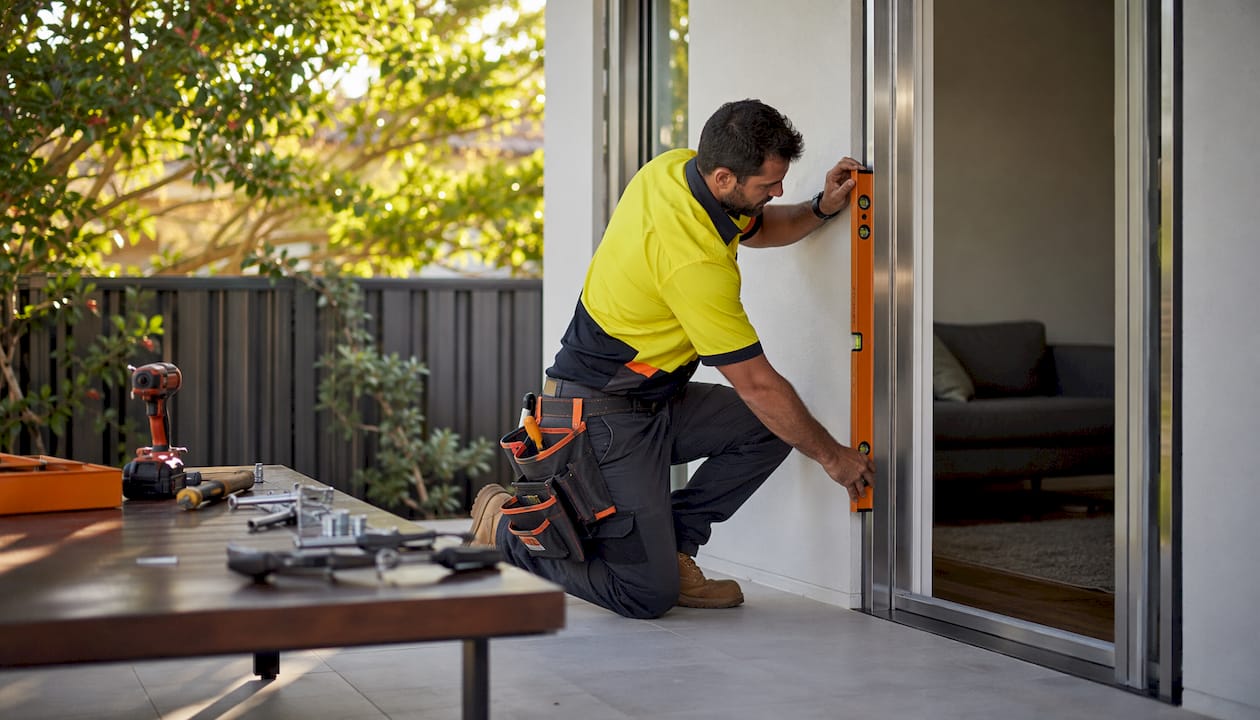
Professional installation is not optional if you want the door to perform as specified. A door that is not correctly aligned, anchored, or locked will not meet the AS 5039 standard it was manufactured to, regardless of the product’s certification. Understanding the security door installation process before your installer arrives helps you ask the right questions and verify the work is done correctly.
The total cost of a security door, including supply and installation for a standard single hinged stainless steel mesh door, generally falls within a moderate price range. Sliding doors, premium products, custom sizing, and frame work usually increase the overall cost.
Why Easterndoors is a trusted choice for Melbourne homeowners
Easterndoors specialises in custom-made security doors and screens for residential properties, with a focus on AS 5039 compliant products and professional installation. The company’s approach centres on a few things that make a practical difference for homeowners:
- Custom manufacture: Every door is made to the specific measurements of your opening, which eliminates the fit problems that come with off-the-shelf products
- AS 5039.1 compliance: Products are manufactured to meet the Australian Standard for forced-entry resistance, giving homeowners confidence in what they are buying
- Professional installation: Easterndoors handles the full process from measure to fit, including frame preparation and lock alignment
- Fast turnaround: The manufacturing and installation timeline is kept short, so homeowners are not waiting weeks between ordering and having a fitted door
- Consultation process: The team provides detailed advice on materials, configurations, and pricing before any commitment is made
Customer feedback consistently highlights workmanship quality, reliability, and competitive pricing as the standout attributes. For homeowners who want a security door that genuinely performs, rather than one that simply looks the part, those qualities matter more than a low headline price.
Easterndoors serves homeowners across Melbourne’s eastern suburbs, with local installation services covering a wide range of residential configurations.
Key takeaways
Security door costs in Australia vary considerably depending on material, size, and installation complexity, with AS 5039.1:2023 compliance serving as a key indicator of genuine forced-entry performance.
| Point | Details |
|---|---|
| Typical price range | Supply and installation costs run from $600 for diamond grille to $2,500+ for premium sliding or Crimsafe doors. |
| Installation labour | Professional fitting adds $200–$650 per door, with frame repairs and sliding track work pushing costs higher. |
| Custom sizing premium | Non-standard openings add $100–$300 per door due to tailored fabrication and additional materials. |
| AS 5039.1:2023 compliance | Certified doors have passed independent forced-entry tests; always confirm compliance before purchasing. |
| Easterndoors | Custom-made, AS 5039 compliant security doors with professional installation across Melbourne’s eastern suburbs. |
Get a custom security door quote from Easterndoors
Knowing the price range is useful. Getting a quote for your specific home is what actually moves things forward.
Easterndoors offers custom-made security doors and screens built to AS 5039.1 compliance, with professional installation handled from measure to fit. Unlike buying off the shelf and arranging a separate installer, the full process is managed in one place, which means no gaps in accountability and no surprises on the day of installation.
The full door range covers aluminium, steel, and stainless steel options across a variety of configurations, from standard hinged doors to sliding and double-door setups. Every door is fabricated to your opening’s exact dimensions, so fit and performance are not left to chance.
For Melbourne homeowners who want a security door that does what it is supposed to do, at a price that reflects the actual work involved, contact Easterndoors to arrange a free measure and quote.